Boost Global Reach with Multilingual AI Chatbots
Discover how multilingual AI chatbots break language barriers, enhance customer satisfaction, and expand your business globally. Learn essential strategies for implementation.
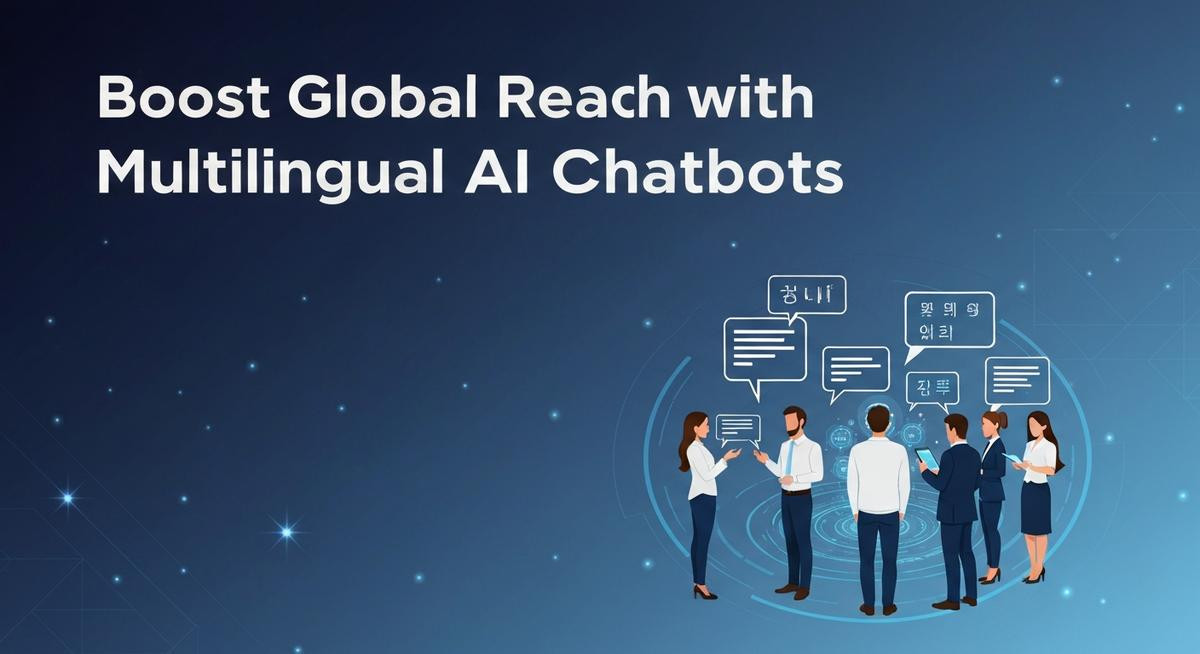
In today's connected world, businesses want to reach everyone. Language barriers can stop this growth. Imagine a customer visiting your site. They don't speak your language. They leave. This is a lost opportunity. Multilingual AI chatbots solve this problem. They talk to customers in their own language. This improves customer happiness. It also opens up new markets. Many people prefer online content in their own language. Studies show about 71% feel this way. Ignoring this means missing out on customers. The chatbot market is growing fast. It will reach $27 billion by 2030. A big reason is the need for global communication. Multilingual chatbots are key to this growth. They help companies compete everywhere.
Why Multilingual Chatbots Are Essential
Global markets are now standard. Customers expect service in their native tongue. Multilingual chatbots offer a smart solution. They are scalable and efficient. These bots use AI and language processing. They can offer personalized support. This makes customers feel valued. It helps brands connect globally. For example, a customer in France can get help in French. A customer in Japan gets support in Japanese. This seamless experience builds trust. It makes customers more likely to buy. It also reduces support costs. One bot can handle many languages. This is much cheaper than hiring many agents. It also works 24/7. There are no time zone issues. These bots can handle simple questions fast. They can also handle more complex ones. This improves overall customer service. It drives business growth.
Here's why they are crucial:
- Global Market Access: Reach customers worldwide without language limits.
- Improved Customer Satisfaction: Engage users in their preferred language.
- Increased Sales: Convert more leads by removing communication hurdles.
- Reduced Costs: Automate support across multiple languages.
- 24/7 Availability: Offer instant support anytime, anywhere.
Companies like InsiteChat.ai focus on making AI chatbots easy to train. They understand that a chatbot needs to work well. Training on your website content is vital. This ensures accuracy. For multilingual bots, this training needs to cover multiple languages. This ensures the bot understands and responds correctly. A well-trained multilingual bot is a powerful asset. It can understand nuances. It can maintain brand voice. It can deliver real-time answers. This future is here now.
How Multilingual Chatbots Work
These bots use smart AI. This AI includes Natural Language Processing (NLP). NLP helps the bot understand human language. It figures out what the user means. For multilingual bots, this is more complex. They need to understand many languages. They also need to translate accurately. Some bots use a few methods.
Here are common strategies:
- Dedicated Translation Models: The bot translates the user's message. Then it generates a response. Finally, it translates the response back. This is good for basic translation. It ensures the core message is understood.
- Multilingual AI Models: Some advanced AI models understand multiple languages directly. They don't need separate translation steps. This can lead to more natural conversations. It captures more nuance.
- Hybrid Approach: Many effective bots use a mix. They might use lightweight models for simple tasks. These are fast and cheap. For harder questions, they switch to advanced models. These models can handle complexity better. They might use dedicated translation for specific parts. This multi-model approach is powerful. It answers more questions in more languages.
Context understanding is also key. A good bot remembers what was said. It uses this information. This makes the chat feel natural. It avoids asking the same questions. Brand consistency is important too. The bot should sound like your company. It should use the right tone. Even in different languages, this voice should be the same. This builds a strong brand image. It makes the experience feel unified.
Implementing a Multilingual Chatbot Strategy
Starting a multilingual chatbot project needs planning. First, identify your target languages. Where are your customers located? Which languages do they speak most? Focus on these first. Don't try to do too many at once. Start with the languages that offer the most potential. Next, choose the right technology. Consider your budget. Also, think about your technical skills. Some platforms are easier to use than others. Tools like InsiteChat.ai help businesses train AI on their website content. This is a great starting point for building a bot. For multilingual support, you need to ensure your content is ready. This means having website text translated accurately. You also need to train the bot on this translated content. Make sure the AI understands the context in each language. This requires good training data. High-quality training data is crucial. It leads to better performance. Test your chatbot thoroughly. Get feedback from users. Especially from native speakers of the target languages. This helps find errors. It helps improve the user experience. Ongoing monitoring is also necessary. Language evolves. Customer needs change. Update your chatbot regularly. This keeps it effective and relevant.
Key steps to success:
- Define Scope: Pinpoint target languages and user needs.
- Select Platform: Choose a tool that fits your budget and tech skills.
- Prepare Content: Ensure website and support content is translated and accurate.
- Train AI: Feed the bot high-quality, multilingual training data.
- Test Rigorously: Gather feedback, especially from native speakers.
- Monitor & Update: Continuously improve the bot based on performance and feedback.
The Future of Conversational AI and Language
The world of AI chatbots is always changing. The future is exciting. We will see more advanced capabilities. AI will understand emotions better. It will get slang and cultural nuances. Imagine a bot that understands humor. It can adapt its tone. This makes interactions feel very human. Voice AI will also play a bigger role. Many people prefer talking over typing. Voice-first, multilingual AI will be common. Google's CEO, Sundar Pichai, mentioned this trend. He said AI translations will keep the original voice. They will maintain tone and expression. This is a big deal. It means AI can sound more like us. It can preserve the speaker's identity. This will make communication smoother. It will also help preserve culture. AI can help translate stories and songs. It can connect people across cultures. Brand consistency will remain important. AI will ensure this across all languages. It will maintain trust and recognition. The goal is seamless interaction. AI will provide real-time solutions. It will do this without losing the brand's feel. This evolution is already happening. It's driven by the need for better global connections. The future promises AI that truly understands us. It will communicate with us naturally. It will do so in any language we choose.
In conclusion, multilingual AI chatbots are no longer a luxury. They are a necessity for businesses aiming for global growth. By breaking down language barriers, these tools significantly improve customer satisfaction and open doors to new markets. Implementing a well-planned multilingual chatbot strategy, supported by robust AI and quality training, is key to staying competitive in our increasingly interconnected world.